

The Role of Fertilizers in Modern Agriculture
By FERTAGRO Africa FZCO • 3 min read
17 October, 2025
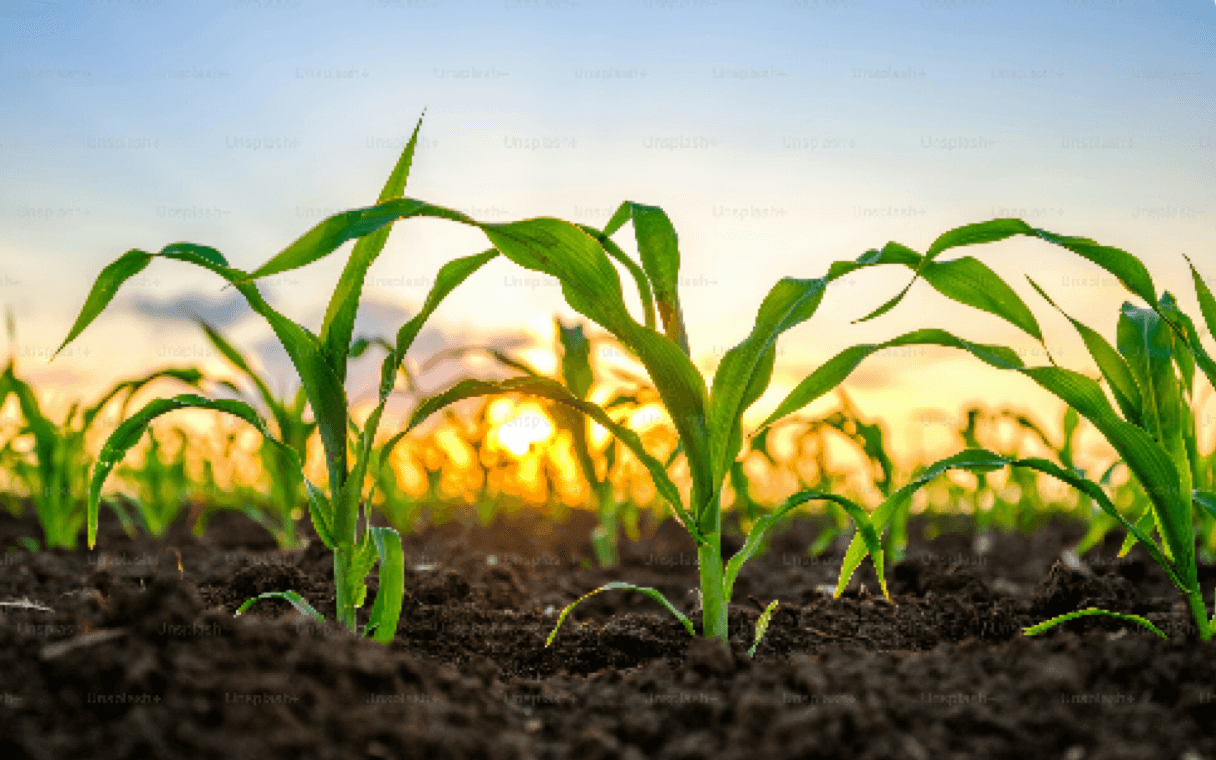
Fertilizers play a crucial role in modern agriculture, supporting crop growth, improving soil fertility, and ensuring global food security. They replenish essential nutrients that crops naturally extract from the soil during growth, maintaining consistent yields and promoting plant health. With the global population continuing to rise, efficient fertilizer use has become essential to meet the increasing demand for food while minimizing environmental impact.
Fertilizers are broadly categorized into organic and inorganic types. Organic fertilizers are derived from natural sources such as compost, manure, bone meal, and plant residues. They improve soil structure, enhance microbial activity, and gradually release nutrients, making them ideal for long-term soil health.
Inorganic fertilizers, also known as chemical or synthetic fertilizers, provide concentrated nutrients in a readily available form. Examples include nitrogen-based fertilizers, phosphate compounds, and potash. These fertilizers promote rapid growth and high yields but require careful management to prevent nutrient imbalances or environmental harm.
Balanced nutrient management is essential for maximizing crop productivity while minimizing waste. The three primary nutrients required by crops are nitrogen (N), phosphorus (P), and potassium (K), often referred to as NPK. Nitrogen supports leafy growth, phosphorus is crucial for root development and energy transfer, and potassium regulates water use and strengthens disease resistance.
Beyond NPK, secondary nutrients such as calcium, magnesium, and sulfur, along with trace elements like zinc, iron, and manganese, are critical for healthy plant development. Precision agriculture techniques, including soil testing and nutrient monitoring, allow farmers to apply fertilizers at the right time and in optimal quantities, reducing nutrient runoff and environmental impact.
Sustainable fertilizer use emphasizes efficiency and environmental responsibility. Overapplication of fertilizers can lead to soil degradation, water pollution, and greenhouse gas emissions. Farmers are increasingly adopting techniques such as split application, fertigation, and slow-release fertilizers to improve nutrient uptake efficiency and minimize losses. Cover crops and organic amendments also complement fertilizer use by enhancing soil structure and nutrient availability.
Innovative approaches like integrated nutrient management combine organic and inorganic sources, creating a balanced system that sustains high yields while protecting soil health. These practices contribute to long-term agricultural resilience and reduce dependence on chemical inputs.
Fertilizers have been instrumental in the Green Revolution, enabling countries to dramatically increase food production and combat hunger. By providing essential nutrients, fertilizers help farmers achieve consistent crop quality and yield, supporting local economies and global food supply chains. As the world faces challenges such as climate change, population growth, and land degradation, efficient fertilizer use remains a cornerstone of modern agriculture.
The role of fertilizers in modern agriculture cannot be overstated. They provide essential nutrients, enhance productivity, and contribute to global food security. Through responsible and sustainable use, fertilizers can support both economic growth and environmental stewardship, ensuring that agriculture continues to meet the needs of a growing population while preserving the health of the planet.
Read more of our latest articles

6 April, 2026
Micronutrients In Fertilizer
Micronutrients may be needed in tiny amounts, but they make a major difference in yield, crop health, and how effectively plants use NPK fertilizers.
Read More →
17 October, 2025
Sustainable Farming Practices for Healthy Crops
Discover how sustainable farming methods combined with effective fertilizer use can improve crop yield, protect soil health, and ensure long-term food security for future generations.
Read More →
17 October, 2025
Improving Soil Fertility Through Organic Methods
Organic fertilizers and natural soil improvement techniques can enhance soil fertility, reduce dependency on chemicals, and support healthier ecosystems for sustainable farming practices.
Read More →