
Micronutrients In Fertilizer
By FERTAGRO Africa FZCO • 3 min read
6 April, 2026
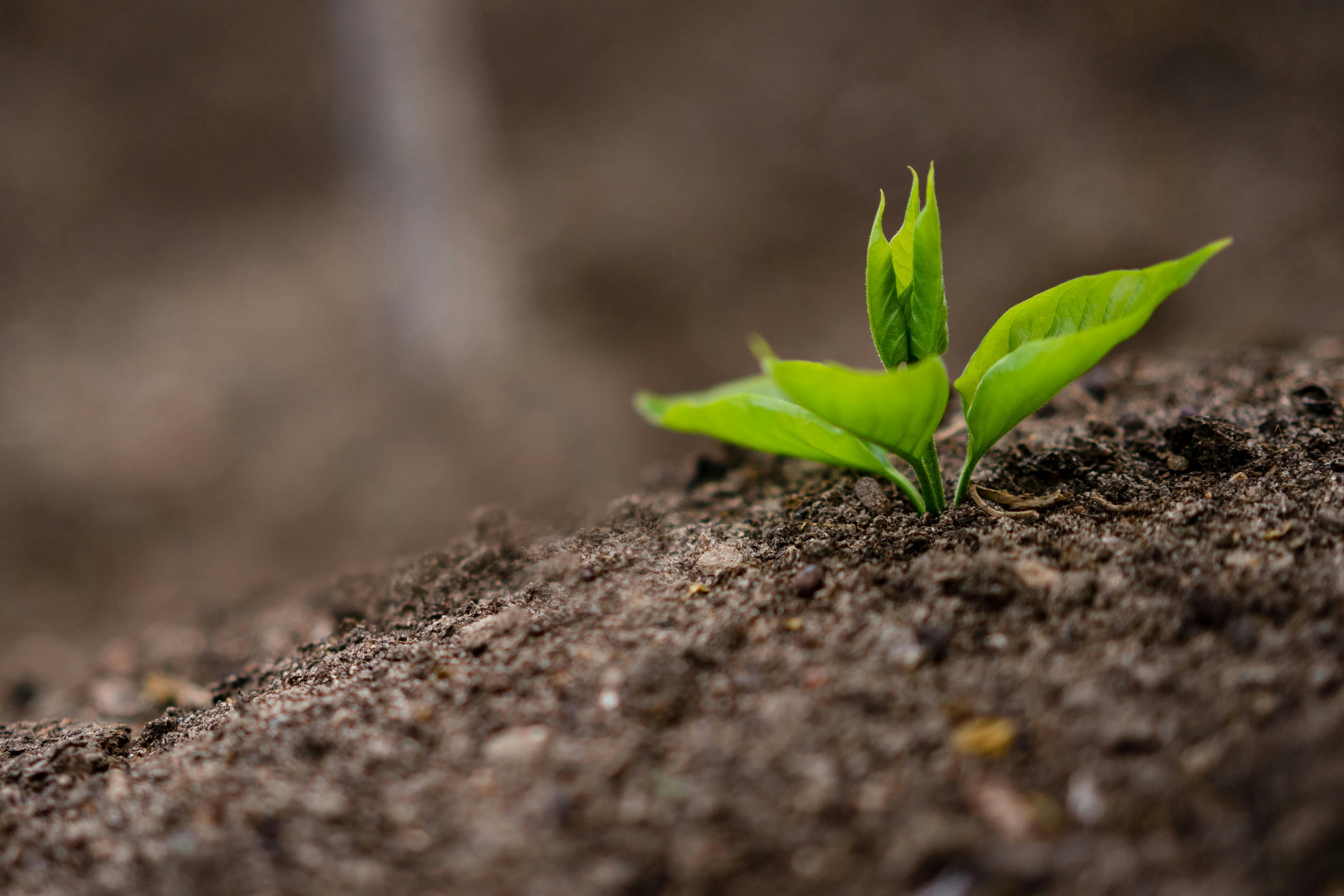
We talk a lot about NPK (nitrogen, phosphorus, and potassium), and for good reason. These are the heavy lifters of crop nutrition. But there is another family of nutrients that often goes unnoticed, even though they can mean the difference between an average harvest and a bumper yield. They are called micronutrients.
Micronutrients are essential elements that plants need in tiny quantities, but their impact is enormous. Think of them as the vitamins for your crops. Without them, plants cannot fully use the NPK you apply, leaving you with stunted growth, poor grain fill, and lower resilience to drought or disease.
The most critical micronutrients for African farmers are:
Zinc (Zn) - Crucial for grain formation and root development. Zinc deficiency is widespread across Sub-Saharan Africa and directly reduces yields of maize, rice, and beans.
Iron (Fe) - Necessary for chlorophyll production. Iron deficiency shows up as yellowing leaves (especially in young growth).
Boron (B) - Essential for flower retention and fruit set. In crops like tomatoes, groundnuts, and sunflowers, boron deficiency can cause hollow stems or empty pods.
Manganese (Mn) - Supports photosynthesis and disease resistance. Often lacking in sandy or over-farmed soils.
Molybdenum (Mo) - Helps legumes fix nitrogen from the air. Without it, your beans or cowpeas will not produce as much protein.
Many of the soils across the continent are ancient, heavily weathered, and naturally low in these trace elements. Continuous farming without replenishing micronutrients has made the problem worse. Even when you apply the right NPK blend, if zinc or boron is missing, the crop cannot access the full benefit.
In fact, studies have shown that over 50% of agricultural soils in Sub-Saharan Africa are deficient in zinc, and iron and boron deficiencies are also widespread.
Your crops often speak before your soil test does. Look for these signs:
Zinc: Stunted growth, white or brown patches on leaves, poor grain filling.
Iron: Yellowing between veins (especially on young leaves).
Boron: Brittle stems, poor flowering, fruit deformities.
Manganese: Yellow patches on older leaves, leaf spots.
Molybdenum: Pale, nitrogen-deficient appearance in legumes.
Note: These symptoms can sometimes look like disease or drought. A simple soil or leaf tissue test can confirm what is missing.
The good news is that micronutrient deficiencies are fixable. You can:
1. Use blended fertilizers that include micronutrients tailored to your region.
2. Apply foliar sprays - sometimes the fastest way to correct a deficiency during the growing season.
3. Adopt integrated soil management - combining organic matter (compost, manure) with balanced fertilizers improves micronutrient availability.
At FertAgro Africa FZCO, we understand that one size does not fit all. That is why we offer region-specific fertilizer blends enriched with zinc, boron, and other micronutrients to match the needs of your soil and crops.
To know what fertilizers we have in your region, send us a message across our social media platforms to request a free consultation or to get a sample of our micronutrient-enriched fertilizers. Together, we can turn hidden hunger into hidden treasure.
Read more of our latest articles
17 October, 2025
Sustainable Farming Practices for Healthy Crops
Discover how sustainable farming methods combined with effective fertilizer use can improve crop yield, protect soil health, and ensure long-term food security for future generations.
Read More →
17 October, 2025
The Role of Fertilizers in Modern Agriculture
Learn why fertilizers are essential in agriculture, how they boost plant growth, and the importance of balanced nutrient management in achieving better harvests and sustainable farming.
Read More →
17 October, 2025
Improving Soil Fertility Through Organic Methods
Organic fertilizers and natural soil improvement techniques can enhance soil fertility, reduce dependency on chemicals, and support healthier ecosystems for sustainable farming practices.
Read More →