

Improving Soil Fertility Through Organic Methods
By FERTAGRO Africa FZCO • 2 min read
17 October, 2025
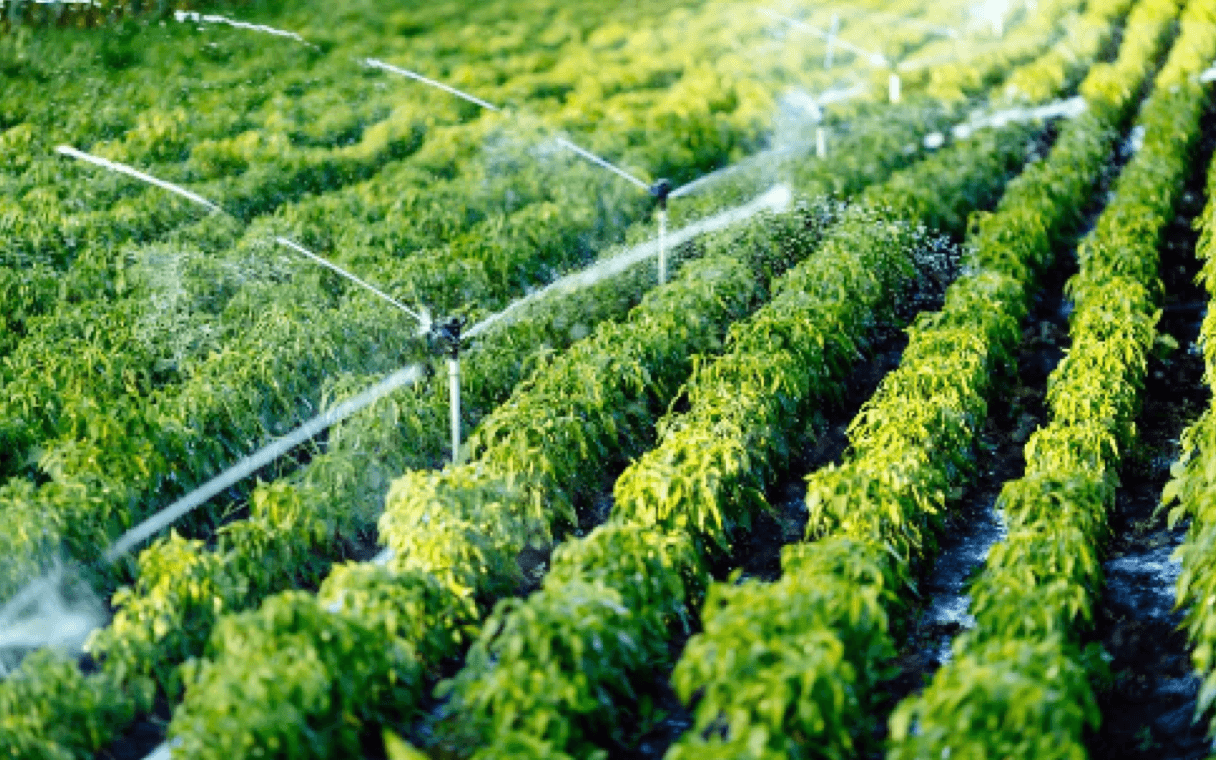
Healthy soil is the foundation of productive agriculture. Organic methods of improving soil fertility are increasingly recognized as sustainable and environmentally friendly alternatives to chemical fertilizers. These practices restore soil nutrients, enhance soil structure, microbial activity, and water retention, ensuring long-term agricultural productivity.
Composting is one of the most effective methods for enhancing soil fertility. By recycling crop residues, kitchen waste, and animal manure, compost adds essential nutrients such as nitrogen, phosphorus, and potassium to the soil. It also improves soil structure, promoting aeration and water retention, which supports healthy root development and plant growth.
Green manuring involves growing specific crops, such as legumes, and plowing them back into the soil. Leguminous plants fix atmospheric nitrogen, enriching the soil naturally and reducing the need for synthetic fertilizers. Green manures also increase organic matter content, improve soil structure, and support beneficial microorganisms, creating a healthier and more resilient soil ecosystem.
Crop rotation is a key strategy for maintaining soil fertility and reducing pest pressure. Alternating crops with different nutrient requirements prevents nutrient depletion and helps break pest and disease cycles. Cover crops, planted between main crops, protect soil from erosion, enhance organic matter, and provide habitat for beneficial insects. These practices collectively contribute to sustainable soil management.
Healthy soil microbiomes play a critical role in nutrient cycling, organic matter decomposition, and disease suppression. Organic amendments, such as compost and green manure, promote the growth of beneficial bacteria, fungi, and other microorganisms, which enhance nutrient availability and improve soil fertility naturally.
Organic soil fertility methods reduce dependence on chemical fertilizers and minimize environmental pollution. They improve water retention, reduce erosion, and enhance soil structure, leading to long-term productivity. Farmers who adopt these practices often experience healthier crops, higher resilience to drought and pests, and improved sustainability of their agricultural operations.
Improving soil fertility through organic methods is a cornerstone of sustainable agriculture. By incorporating compost, green manures, crop rotation, and cover crops, farmers can maintain healthy soils, boost productivity, and protect the environment. These practices ensure that agricultural systems remain productive, resilient, and capable of feeding a growing population without compromising ecological integrity.
Read more of our latest articles
6 April, 2026
Micronutrients In Fertilizer
Micronutrients may be needed in tiny amounts, but they make a major difference in yield, crop health, and how effectively plants use NPK fertilizers.
Read More →
17 October, 2025
Sustainable Farming Practices for Healthy Crops
Discover how sustainable farming methods combined with effective fertilizer use can improve crop yield, protect soil health, and ensure long-term food security for future generations.
Read More →
17 October, 2025
The Role of Fertilizers in Modern Agriculture
Learn why fertilizers are essential in agriculture, how they boost plant growth, and the importance of balanced nutrient management in achieving better harvests and sustainable farming.
Read More →