
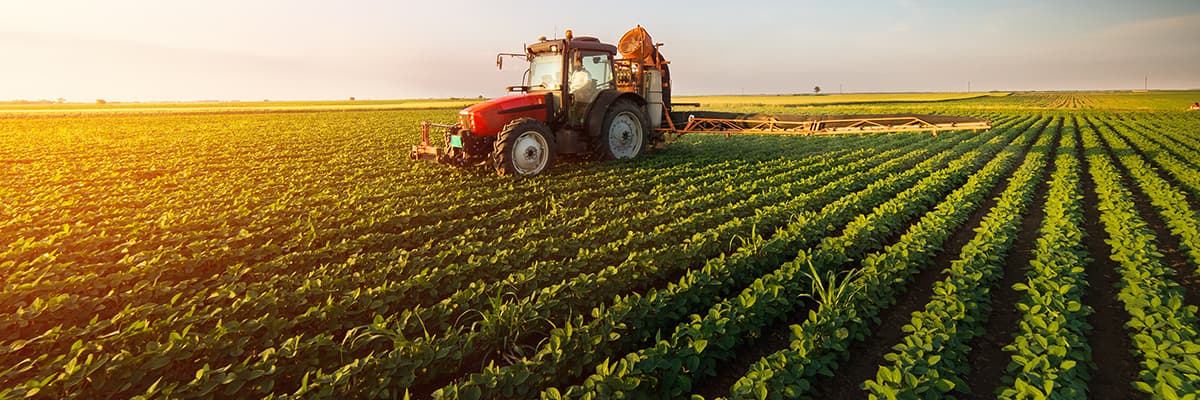
Sustainable Farming Practices for Healthy Crops
By FERTAGRO Africa FZCO • 4 min read
17 October, 2025
Sustainable farming is more than just a trend — it's a necessity for ensuring the future of food security and environmental health. As global demand for agricultural products continues to rise, farmers are challenged to grow more with fewer resources. Sustainable farming focuses on balancing productivity with ecological preservation, using methods that maintain soil fertility, conserve water, and minimize chemical dependency. It represents a shift from short-term gain to long-term resilience and profitability.
Water scarcity is one of the biggest threats to global agriculture. Efficient irrigation practices such as drip irrigation and sprinkler systems have proven effective in minimizing wastage while ensuring that plants receive the precise amount of moisture they need. Farmers are also adopting rainwater harvesting and soil moisture monitoring systems to optimize water use. Mulching, for example, helps retain soil moisture and regulate temperature, reducing the frequency of irrigation and promoting healthier root systems.
Another innovative technique gaining traction is deficit irrigation — supplying water below full crop requirements to enhance drought tolerance and water-use efficiency. These strategies combined not only save water but also reduce operational costs, making farming both sustainable and economically viable.
Healthy soil forms the foundation of any successful farming system. The continuous use of chemical fertilizers depletes organic matter, disrupts microbial balance, and causes long-term degradation. To counter this, farmers are incorporating organic materials such as compost, green manure, and bio-fertilizers that enrich soil with natural nutrients while promoting beneficial microorganisms.
Modern sustainable farming also emphasizes integrated nutrient management — a balanced combination of organic and inorganic fertilizers tailored to crop requirements. This approach reduces chemical dependency and ensures consistent nutrient availability. Cover cropping, another key practice, prevents erosion and enhances nitrogen fixation, ensuring the soil remains productive season after season.
Monocropping, or growing the same crop repeatedly, can lead to pest buildup and nutrient depletion. Sustainable farming encourages crop rotation — alternating different types of crops to restore soil balance and break pest cycles. For instance, rotating legumes with cereals naturally replenishes nitrogen levels in the soil, reducing the need for synthetic fertilizers.
Beyond rotation, promoting biodiversity on farms — such as planting hedgerows, integrating trees (agroforestry), or maintaining field margins — supports pollinators and beneficial insects, leading to more stable ecosystems. Biodiverse farms are more resilient to disease, unpredictable weather, and market fluctuations.
Sustainability extends beyond crops — it includes how farms are powered. Farmers are increasingly using solar panels to run pumps, cold storage units, and other electrical systems. In some regions, biomass and wind energy provide off-grid power solutions, cutting carbon emissions and reducing dependency on fossil fuels. This transition to renewable energy reduces costs and supports environmental goals simultaneously.
The adoption of sustainable farming practices also depends on education and collaboration. Farmer cooperatives, government programs, and private-sector initiatives play a crucial role in knowledge sharing. Modern tools such as IoT-based sensors, drones, and data analytics enable precision agriculture — helping farmers monitor soil conditions, detect diseases early, and apply inputs efficiently. Technology not only increases productivity but also minimizes waste and environmental impact.
Sustainable farming is not just an agricultural method — it's a philosophy of coexistence between humans and nature. By focusing on water conservation, soil regeneration, biodiversity, and renewable energy, farmers can achieve both productivity and ecological balance. Every step toward sustainability — from reducing chemical use to adopting smarter irrigation — contributes to a healthier planet and a more secure food system. The future of agriculture lies in innovation, responsibility, and respect for the natural resources that sustain us all.
Read more of our latest articles
6 April, 2026
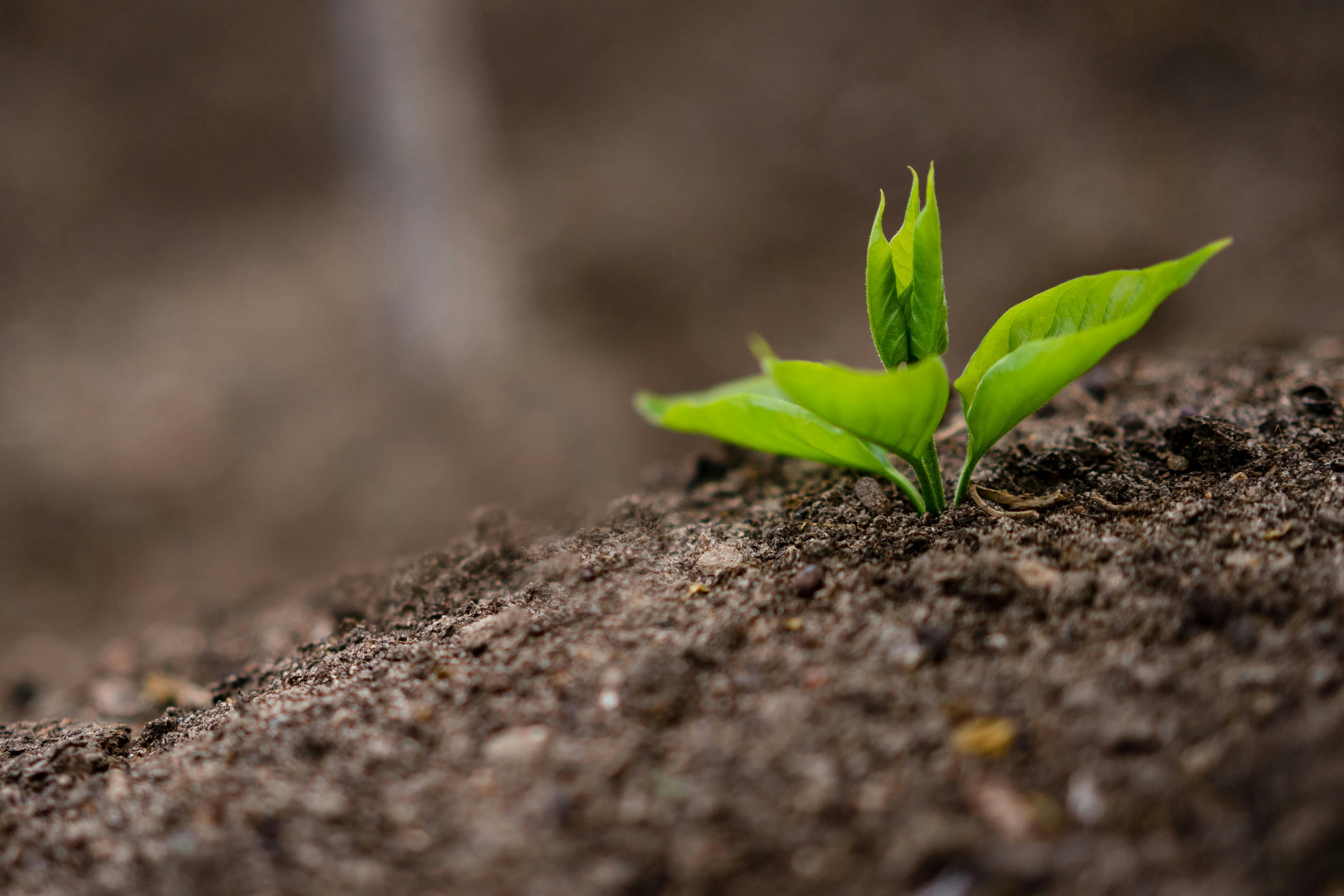
Micronutrients In Fertilizer
Micronutrients may be needed in tiny amounts, but they make a major difference in yield, crop health, and how effectively plants use NPK fertilizers.
Read More →
17 October, 2025
The Role of Fertilizers in Modern Agriculture
Learn why fertilizers are essential in agriculture, how they boost plant growth, and the importance of balanced nutrient management in achieving better harvests and sustainable farming.
Read More →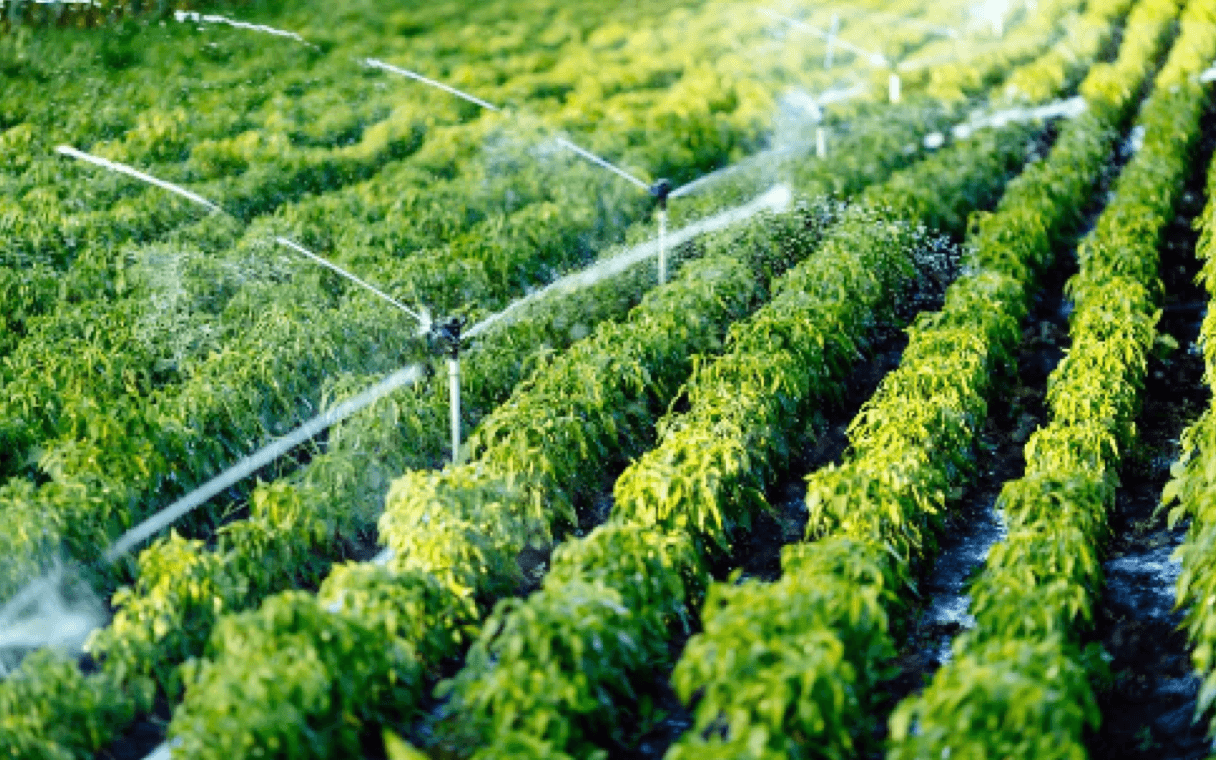
17 October, 2025
Improving Soil Fertility Through Organic Methods
Organic fertilizers and natural soil improvement techniques can enhance soil fertility, reduce dependency on chemicals, and support healthier ecosystems for sustainable farming practices.
Read More →